Call: +918448223338 08045478320
 Send Inquiry
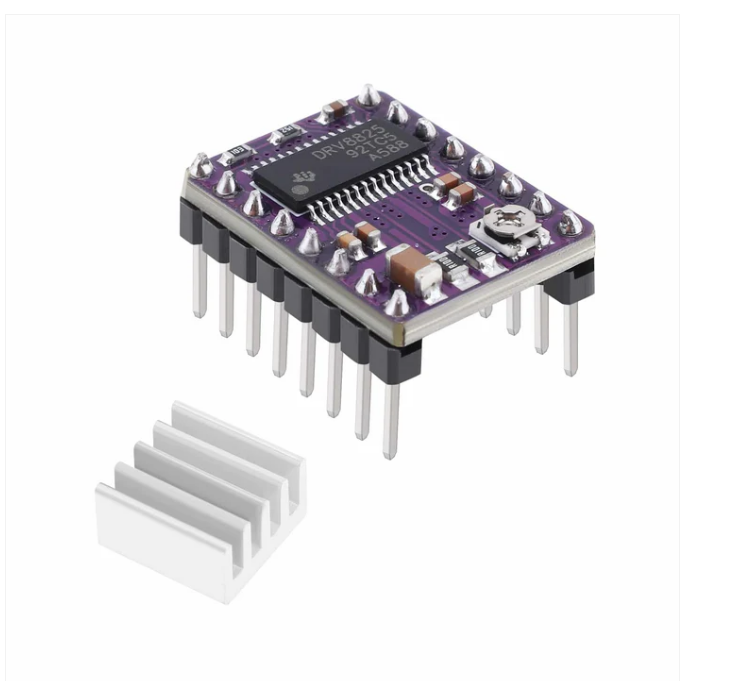
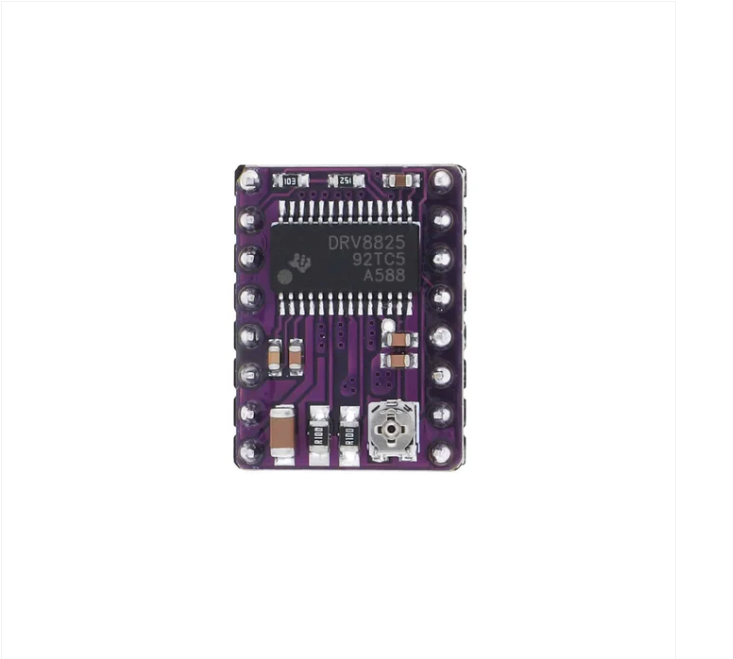
The DRV8825 Stepper Motor Driver Module is an excellent motor driver solution for printers, scanners, and automated equipment applications, and is often used by our customers for the 3D Printers we sell. The DRV8825 Stepper Motor Driver block consists of N-channel power MOSFETs set to full H-bridge to drive motors at 24V with up to 2.5A on each of the channels via two H-bridge drivers and a microstepping indexer originally intended for bipolar Stepper Motors.
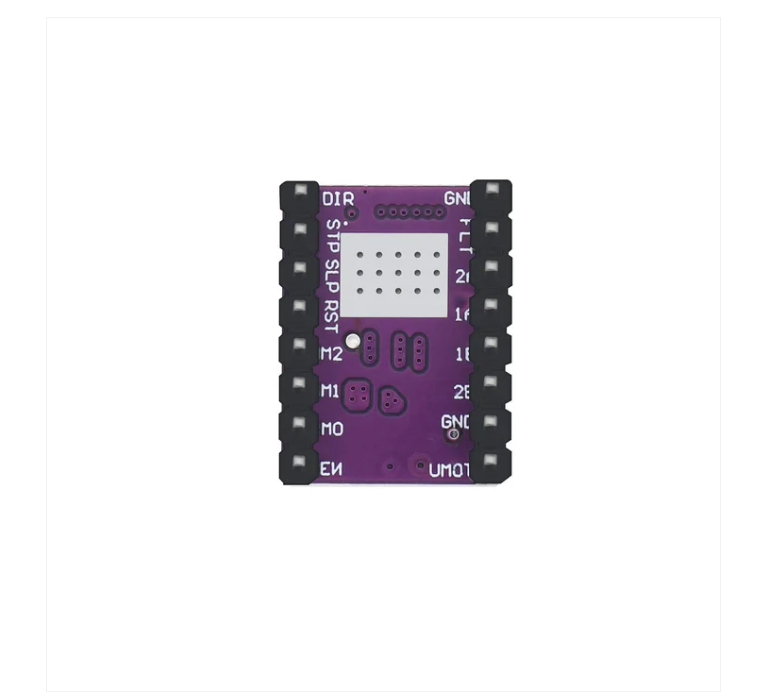
This DRV8825 Stepper Motor Driver offers an easy STEP-DIR interface for simple controller circuit interfacing, as well as physical mode pins to configure the motor microstepping modes between full-step and 1/32-step. The DRV8825 Stepper Motor Driver unit also features multiple decay modes, configurable to slow decay, fast decay or mixed decay mode.
Additionally, this DRV8825 Stepper Motor Driver offer protection features to safeguard from overcurrent, short circuits, Undervoltage, as well as high temperatures. To add some extra functionality and make your life easier, it has an nFAULT pin that indicates if there is a fault, so you can quickly identify a problem and fix it before it becomes costly.
DRV8825 Stepper Motor Driver is the upgrade of A4988, 4-layer PCB for improved heat dissipation and decreased chip resistanceSimple step and direction control interface stepper Motor Driver (Header Pins Soldered) is a breakout board for DRV8825 micro-stepping bipolar stepper motor driver. Could be operated from 8.2V to 45V and can deliver up to approximately 1.5A per phase.

Price:
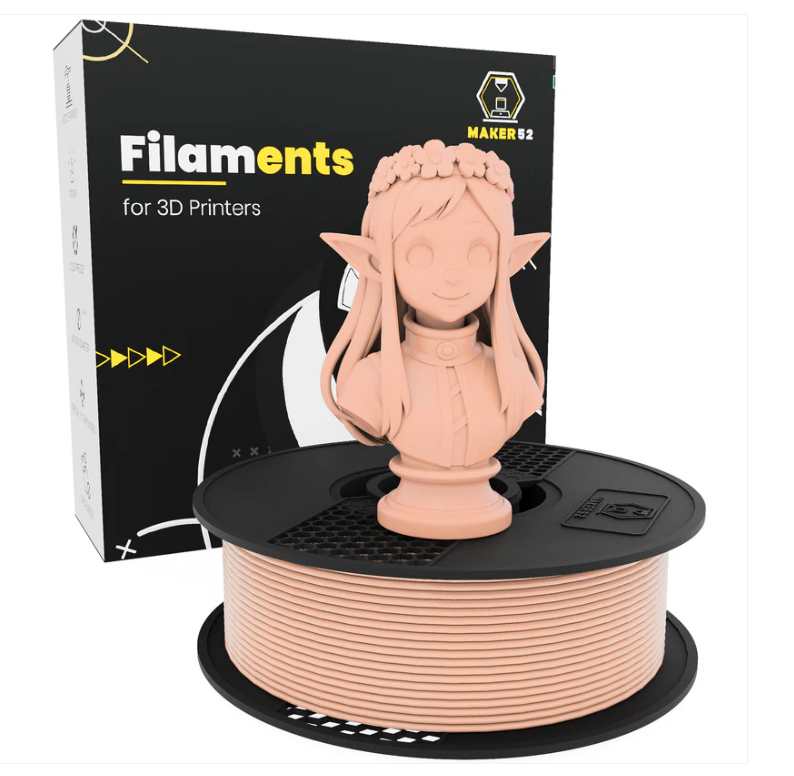
Price 697.0 INR / Kilograms
Minimum Order Quantity : 1 Kilograms
Body Material : Other
Material : PLA+
Novelty : Yes
Color : Porcelain Skin
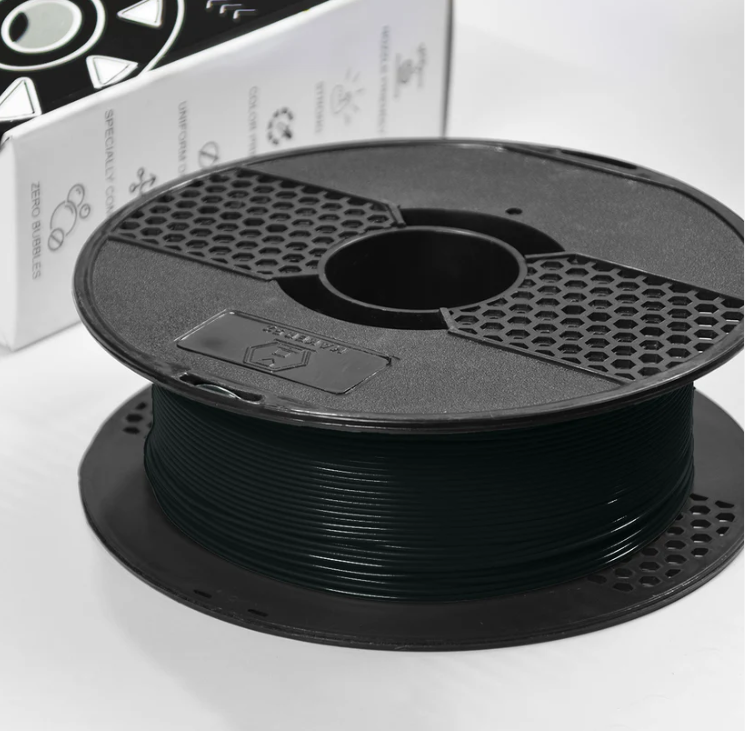
Price 699.0 INR / Kilograms
Minimum Order Quantity : 1 Kilograms
Body Material : Other
Material : PLA+
Novelty : Yes
Color : Midnight grey
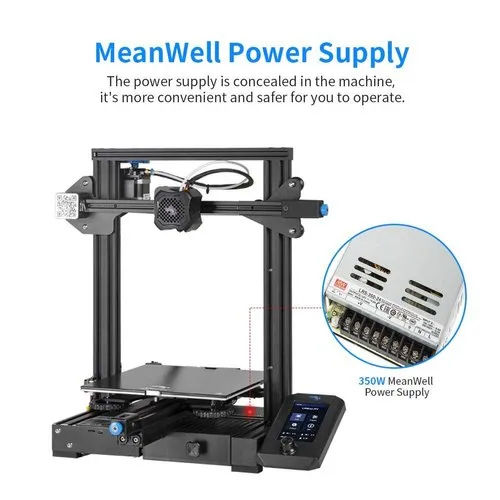
Price 18000 INR / Piece
Minimum Order Quantity : 1 Piece
Body Material : Other, ABS
Material : Polylactic Acid (PLA)
Novelty : Yes
Color : Black
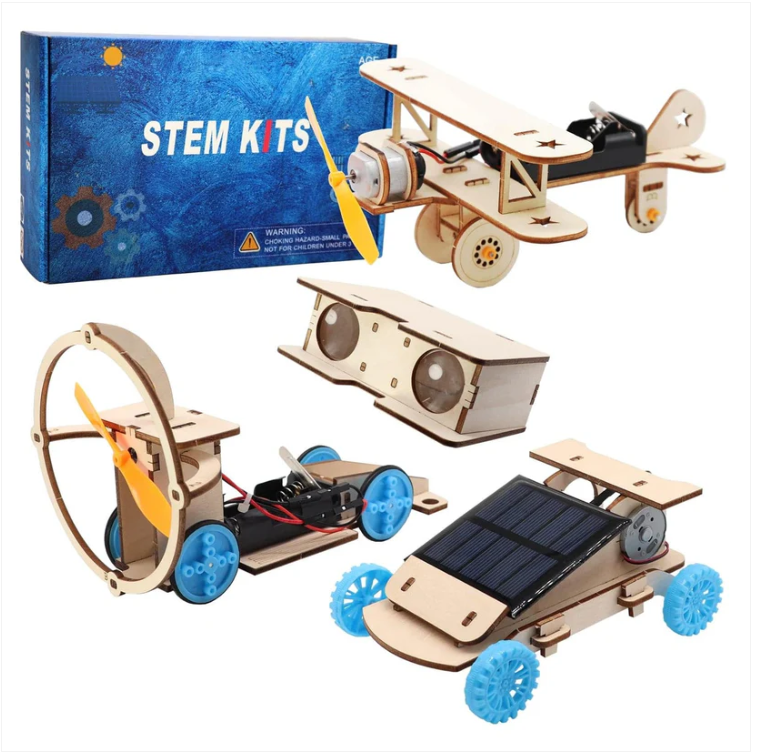
Price 799.0 INR / Piece
Minimum Order Quantity : 1 Piece
Body Material : Other
Material : Wooden
Novelty : Yes
Color : Wooden color
GST : 07AAGCR7293D1Z6


 Send Inquiry


 Send Inquiry


 English
 Spanish
 French
 German
 Italian
 Chinese (Simplified)
 Japanese
 Korean
 Arabic
 Portuguese