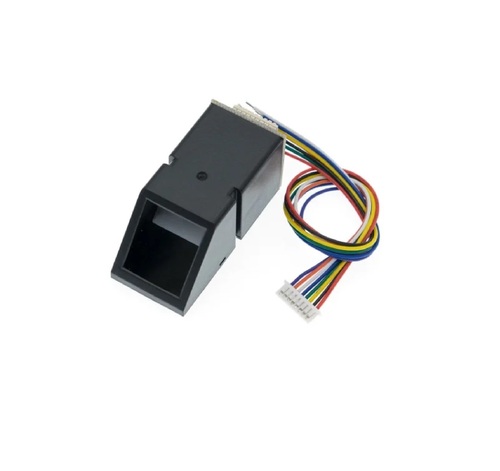
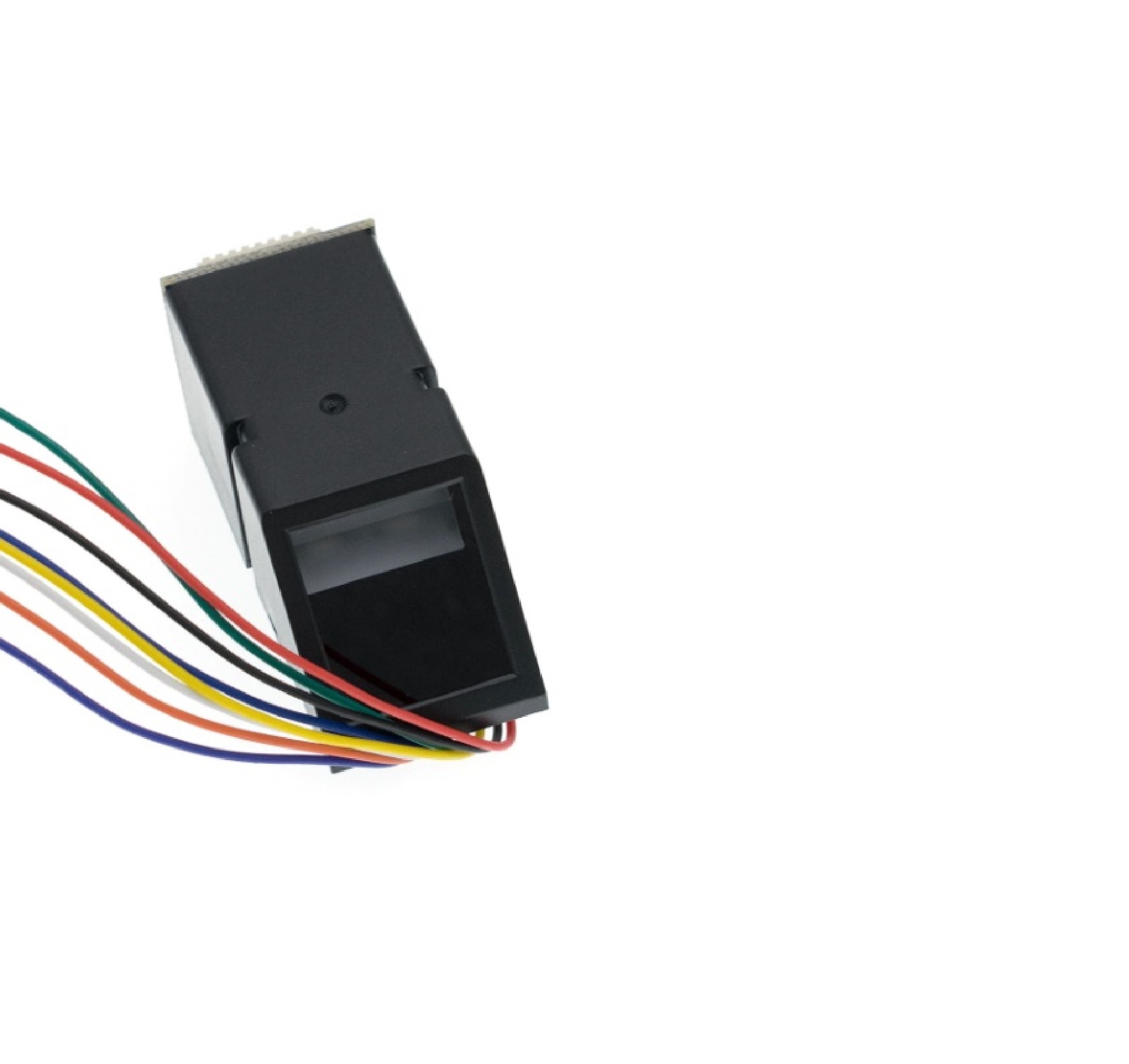
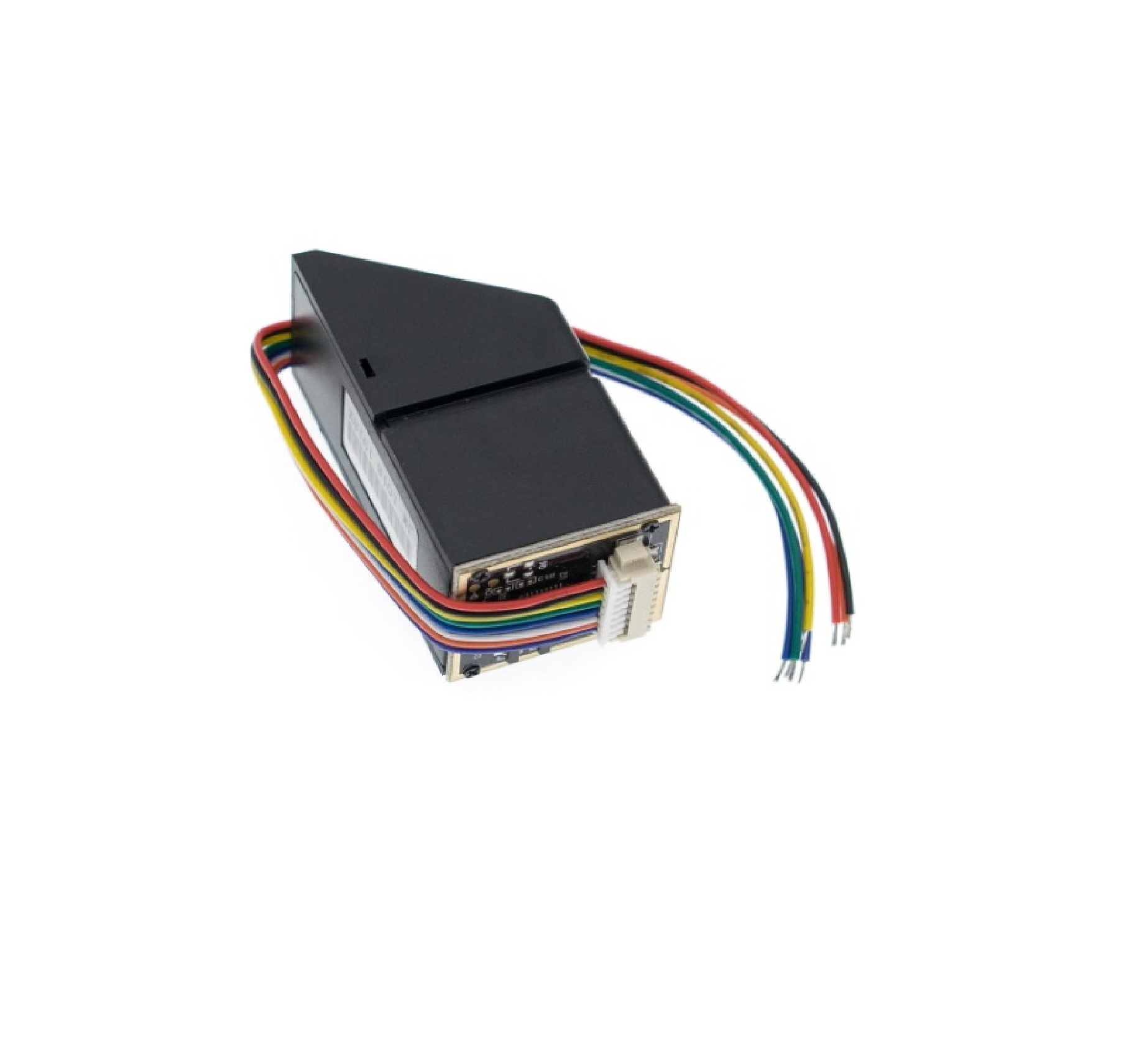
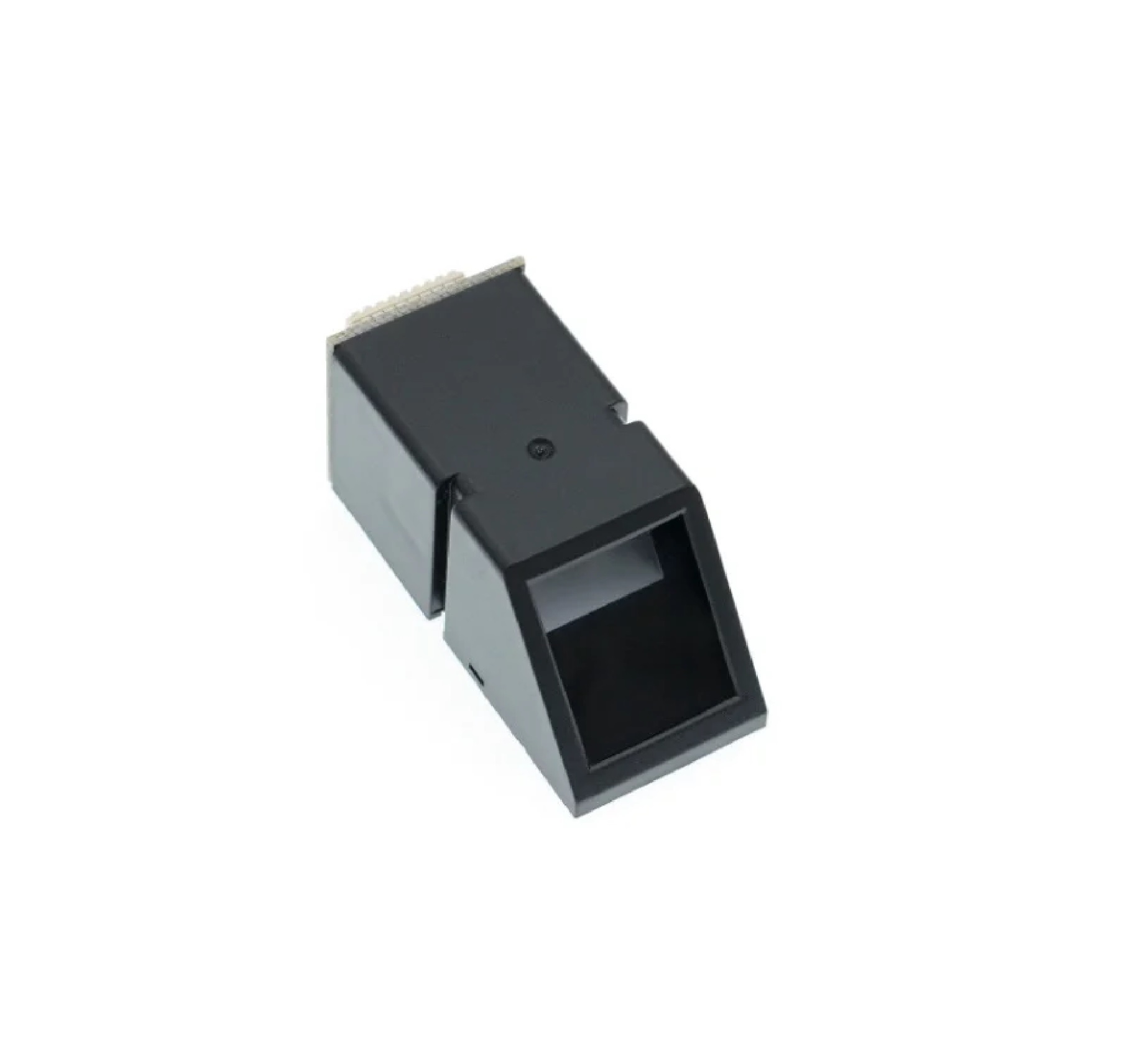
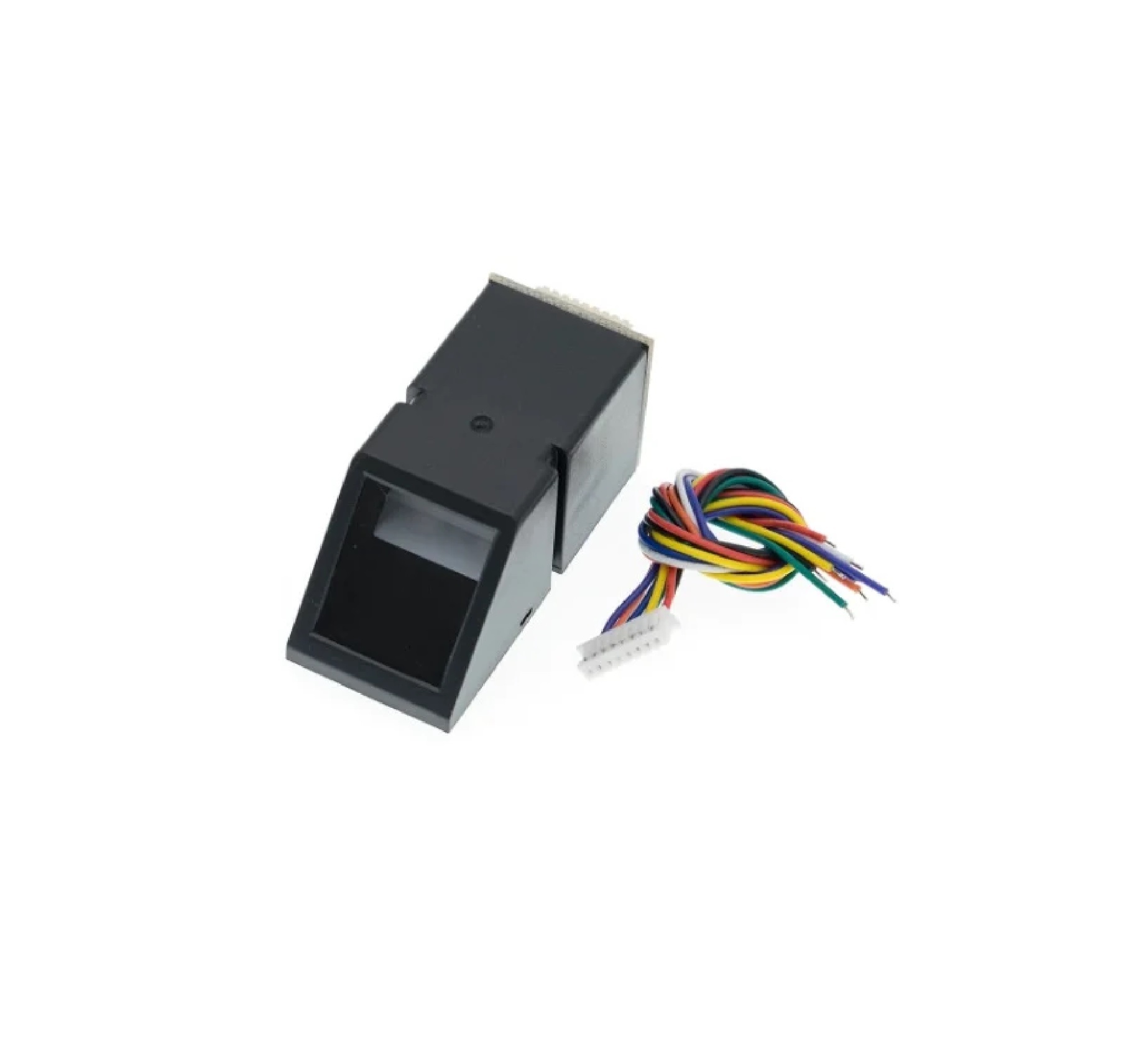
AS608 Optical Fingerprint Sensor Fingerprint Module About
Features:
- Integrated image collecting and algorithm chip together, ALL-in-One.
- The fingerprint reader can conduct secondary development, can be embedded into a variety of end products.
- Low power consumption, low cost, small size, excellent performance.
- Resolution: 500dpi
- Fingerprint image entry time: <1.0 seconds
- Window area: 15.3 18.2MM
- Communication Interface: USB/UART
Package Includes:
1 x AS608 Optical Fingerprint Sensor Fingerprint Module
1 x Connecting Cable(6-pin).
Versatile Integration and Broad CompatibilityThe AS608 Optical Fingerprint Sensor offers straightforward integration with various microcontrollers, such as Arduino, Raspberry Pi, STM32, and AVR. Its 3.3V to 6V power range and TTL UART interface make it suitable for diverse electronic projects. The compact design fits easily into panels, making it ideal for smart locks, attendance systems, and security devices.
High Accuracy and Responsive PerformanceWith a fingerprint accuracy rate of 99.5% and image capture resolution of 500 dpi, the AS608 ensures reliable identification in under one second. The module employs both 1:1 and 1:N matching, supporting a wide range of authentication scenarios while offering low False Acceptance Rates (FAR <0.001%) and False Rejection Rates (FRR <1%).
Durability for Demanding EnvironmentsEngineered for stability and resilience, the AS608 can operate in temperatures from -20C to +60C, with storage capability as low as -40C and as high as +85C. The sensor tolerates relative humidity between 40% and 85%, and boasts 15 kV ESD resistance, ensuring reliability in challenging settings over prolonged periods.
FAQ's of AS608 Optical Fingerprint Sensor Fingerprint Module:
Q: How do I connect the AS608 fingerprint sensor module to my microcontroller?
A: The AS608 module connects via TTL UART interface using the included 20cm cable. It supports a voltage input of 3.3V to 6V and is compatible with microcontrollers like Arduino, Raspberry Pi, STM32, and AVR. Simply wire the TX, RX, VCC, and GND pins to your microcontroller's corresponding pins for seamless communication.
Q: What applications are suitable for the AS608 Optical Fingerprint Sensor?
A: This sensor is ideal for smart locks, access control systems, attendance tracking, security devices, and electrical instrumentation. Its fast, accurate recognition and compact design make it well-suited for space-constrained, security-focused projects.
Q: When should I use the 1:1 vs. the 1:N matching method?
A: Use 1:1 matching for verification when a specific identity is claimed, comparing the input fingerprint against one stored template. Use 1:N matching for identification, where the module checks the input fingerprint against all stored templates to determine the user's identity without prior info.
Q: Where can I mount the AS608 Fingerprint Module?
A: The module is designed for panel mounting, suitable for integration into enclosures, control panels, doors, or turnstiles. Its compact size and flexible cable make it easy to position in various space-limited installations.
Q: What is the process of enrolling and matching fingerprints?
A: To enroll, prompt the user to place their finger on the sensor so the module captures and stores the fingerprint data. For matching, the user places their finger again, and the sensor compares the scanned print to stored ones (using 1:1 or 1:N) to verify or identify the user.
Q: How does the sensor maintain performance in challenging environments?
A: With an operating temperature range from -20C to +60C, storage from -40C to +85C, and ESD resistance up to 15 kV, the AS608 ensures stable performance in harsh conditions. Its robust metal housing offers additional durability against environmental stress.
Q: What benefits does the AS608 offer for security applications?
A: Its fast recognition speed (<1 second), high accuracy (99.5%), and low power consumption (<150mA during acquisition) make the AS608 a reliable choice for real-time, high-security authentication. Secure TTL serial communication protects sensitive data during transmission.
 Send Inquiry




 Send Inquiry


 Send Inquiry


 English
 Spanish
 French
 German
 Italian
 Chinese (Simplified)
 Japanese
 Korean
 Arabic
 Portuguese